




Frequently asked questions
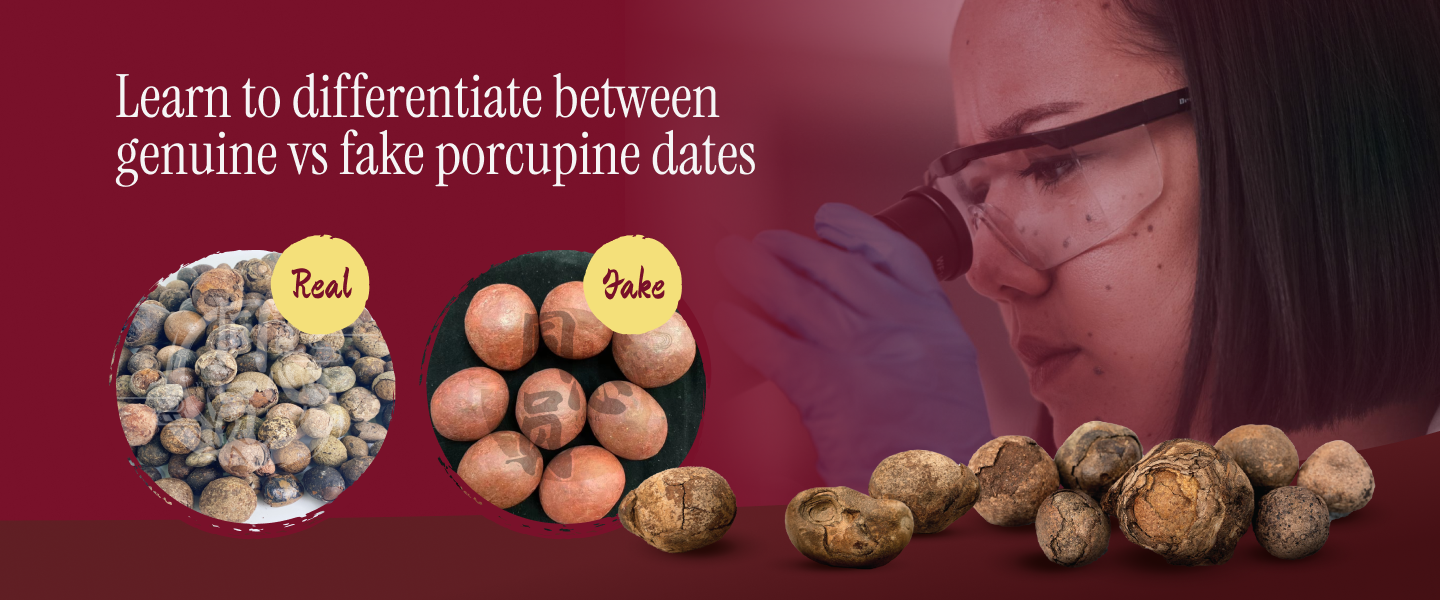
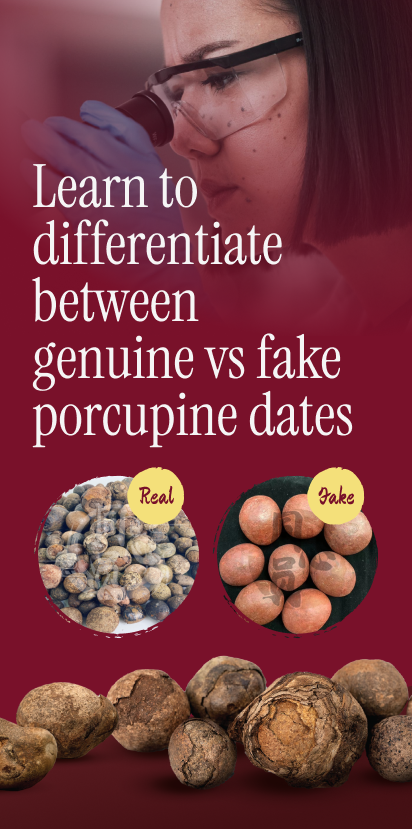
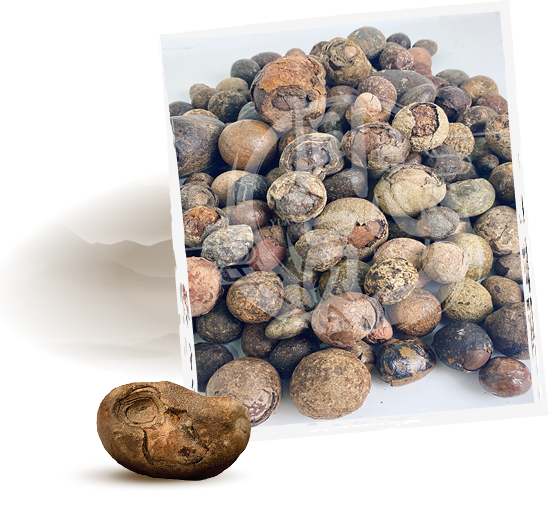
How can you tell real porcupine dates from fake?
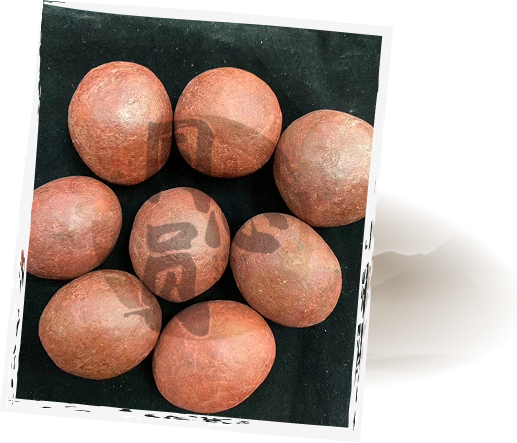
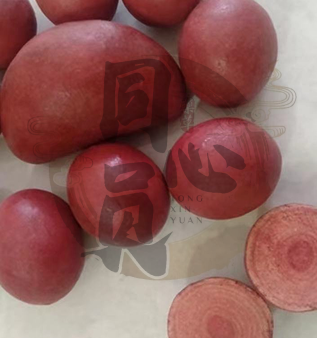
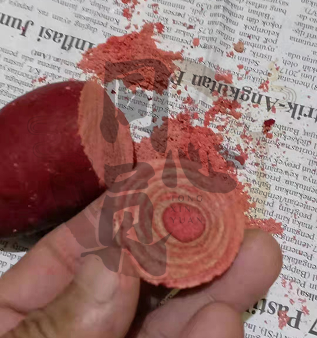
Check four things: whether the cross-section shows irregular concentric layering; whether it is fine and dense, scraping to powder without crumbling; whether it tastes bitter first then finishes sweet; and whether a trace of powder dissolves slowly and evenly in warm water. Imitations usually pass one or two, rarely all four.
Can you still tell once it is ground into powder?
Partly. Smell, taste and the water test still work — genuine powder is bitter then sweet and dissolves slowly and evenly. But layering, cross-section and heft are gone once milled, so provenance becomes the main safeguard when buying powder.
What are the common counterfeiting methods?
Three: dyed starch or tuber powder (the water test catches it — colour disperses too fast, with no bitter-to-sweet finish); bitter herb blends (flat, one-dimensional bitterness); and refurbished old stock (may look acceptable, but smells musty or unnaturally cleaned).
How do I do the water test?
Put a very small amount of powder into warm — not boiling — water and watch. Genuine powder dissolves slowly and evenly, the water darkening gradually, with little coarse residue. Be cautious if colour bursts out instantly, if it floats without sinking, or if it clumps at the bottom.
What should I ask a seller before paying?
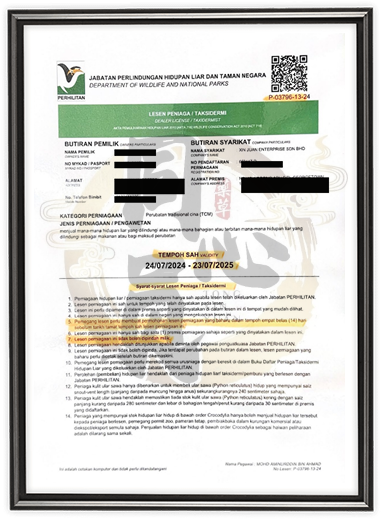
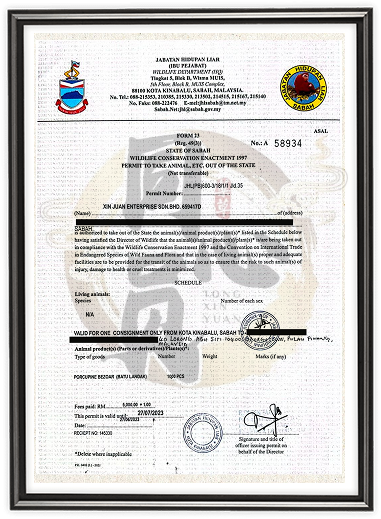
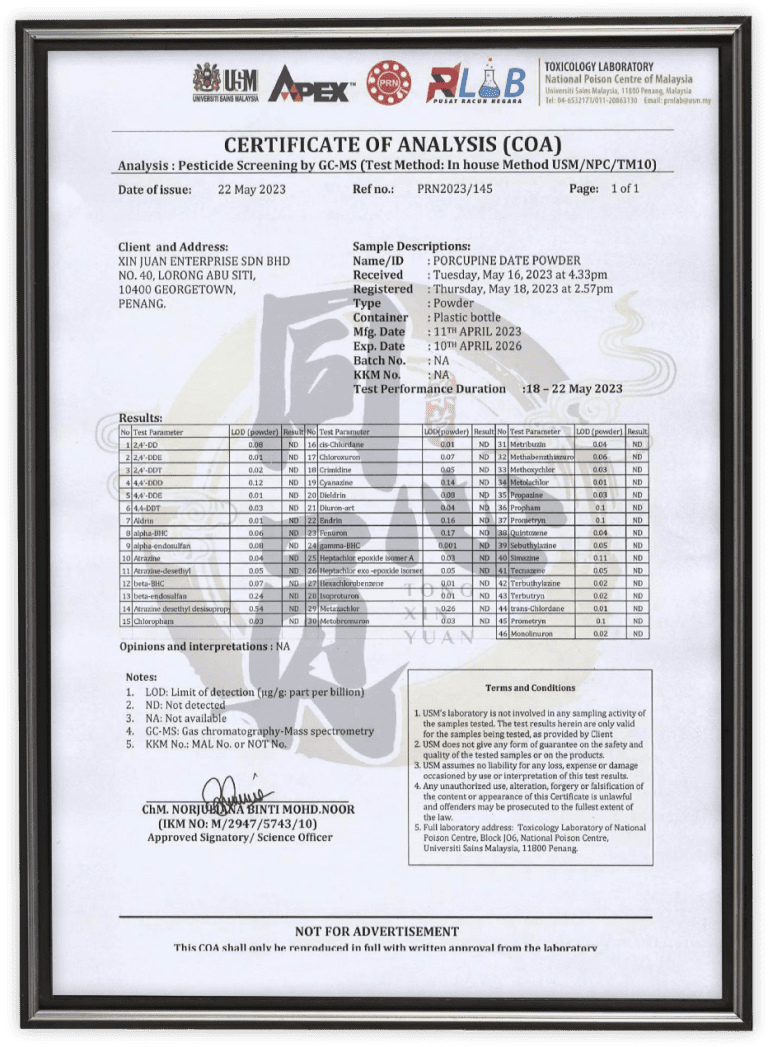
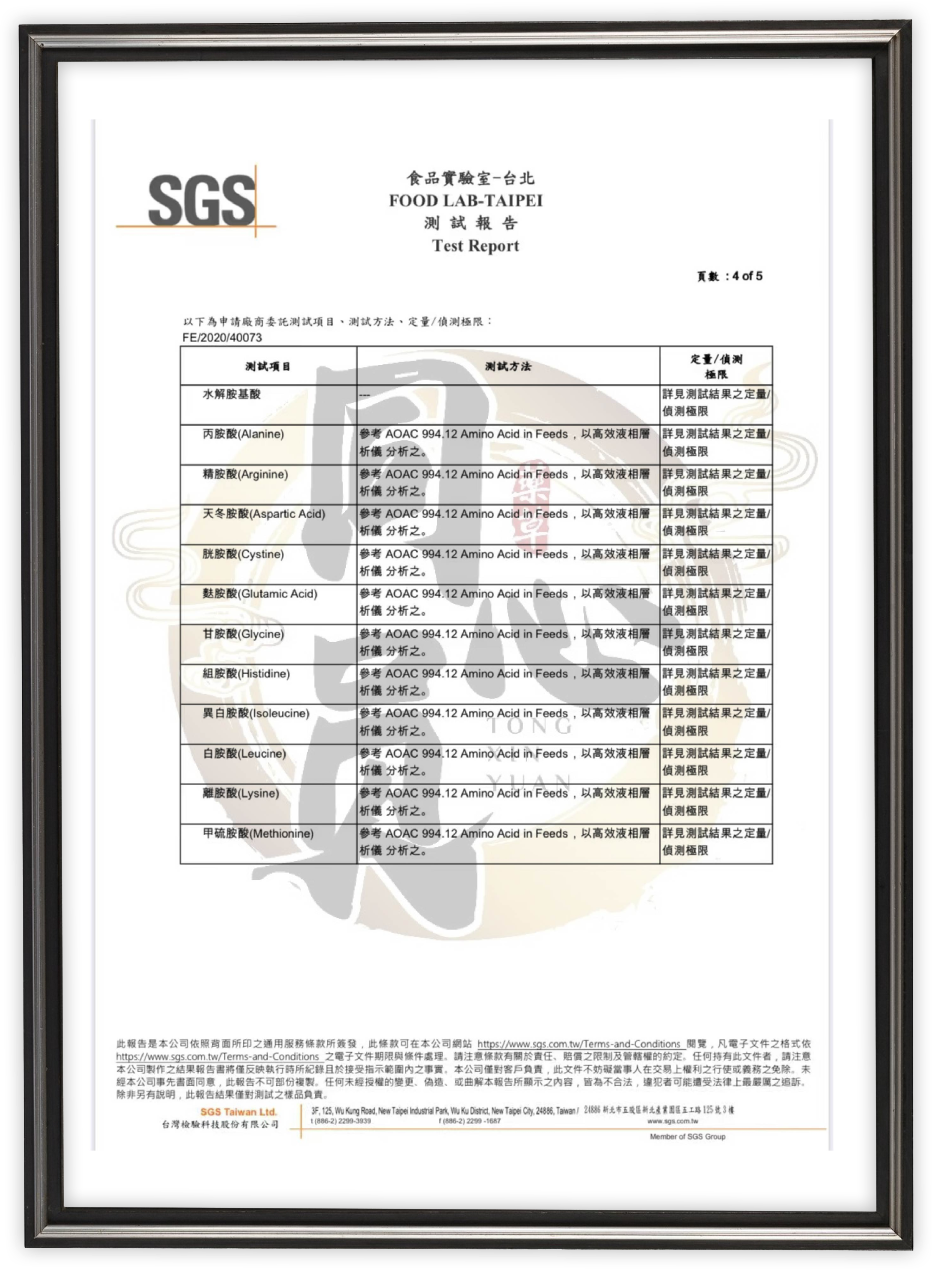
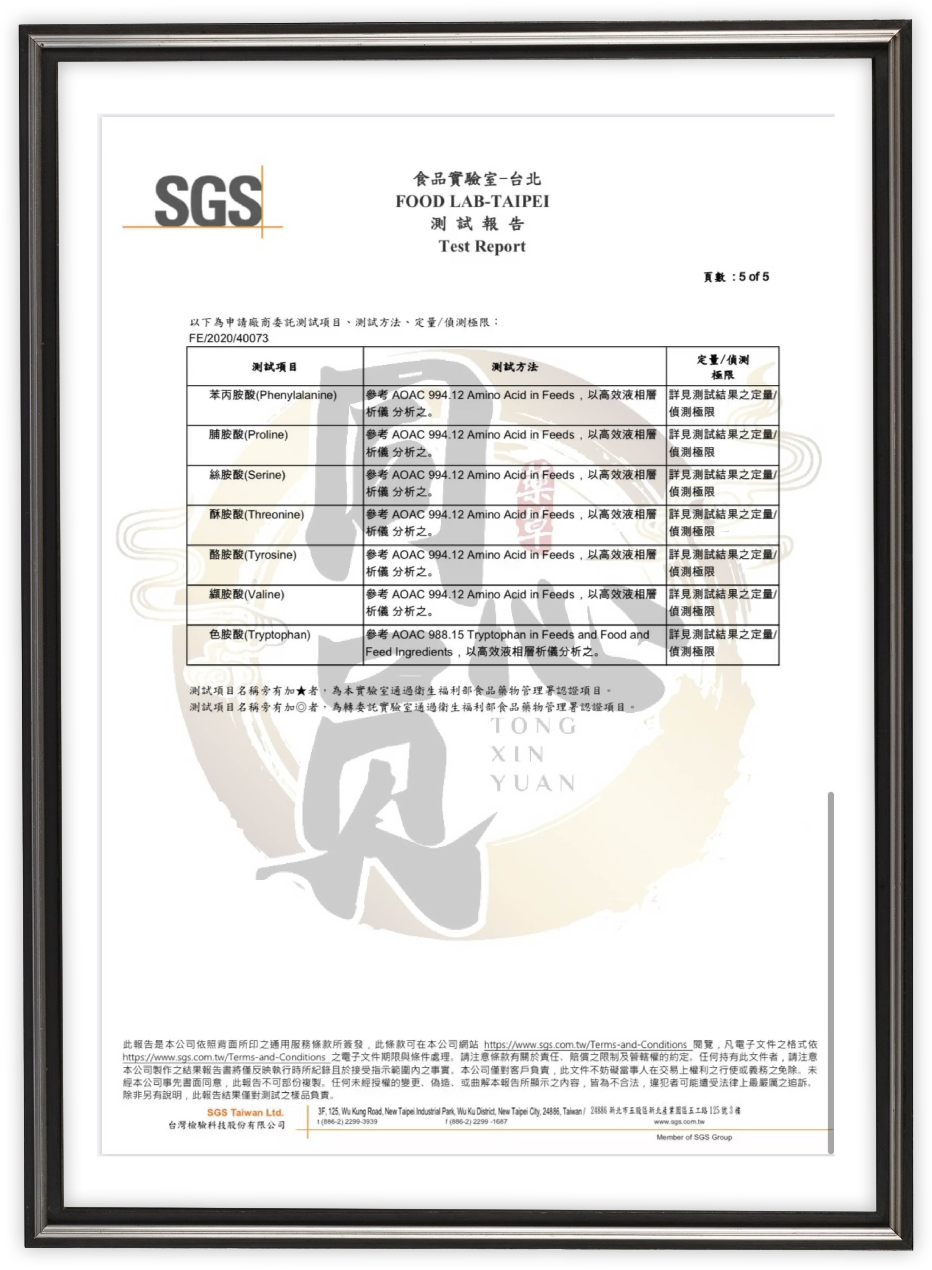
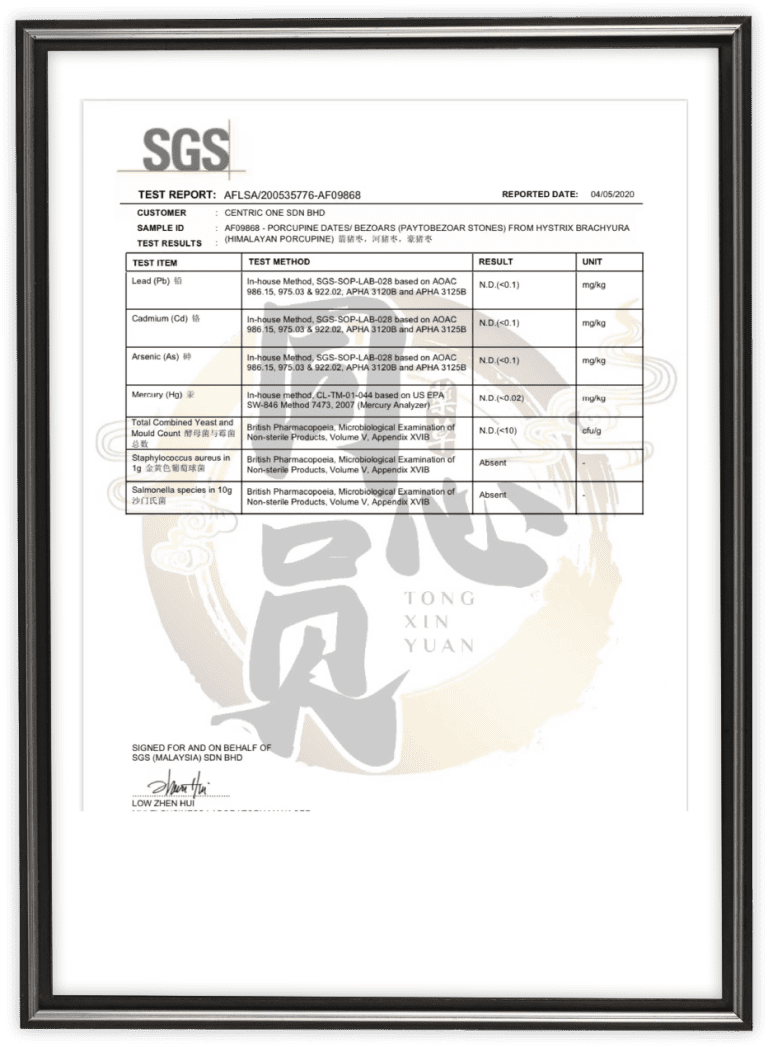
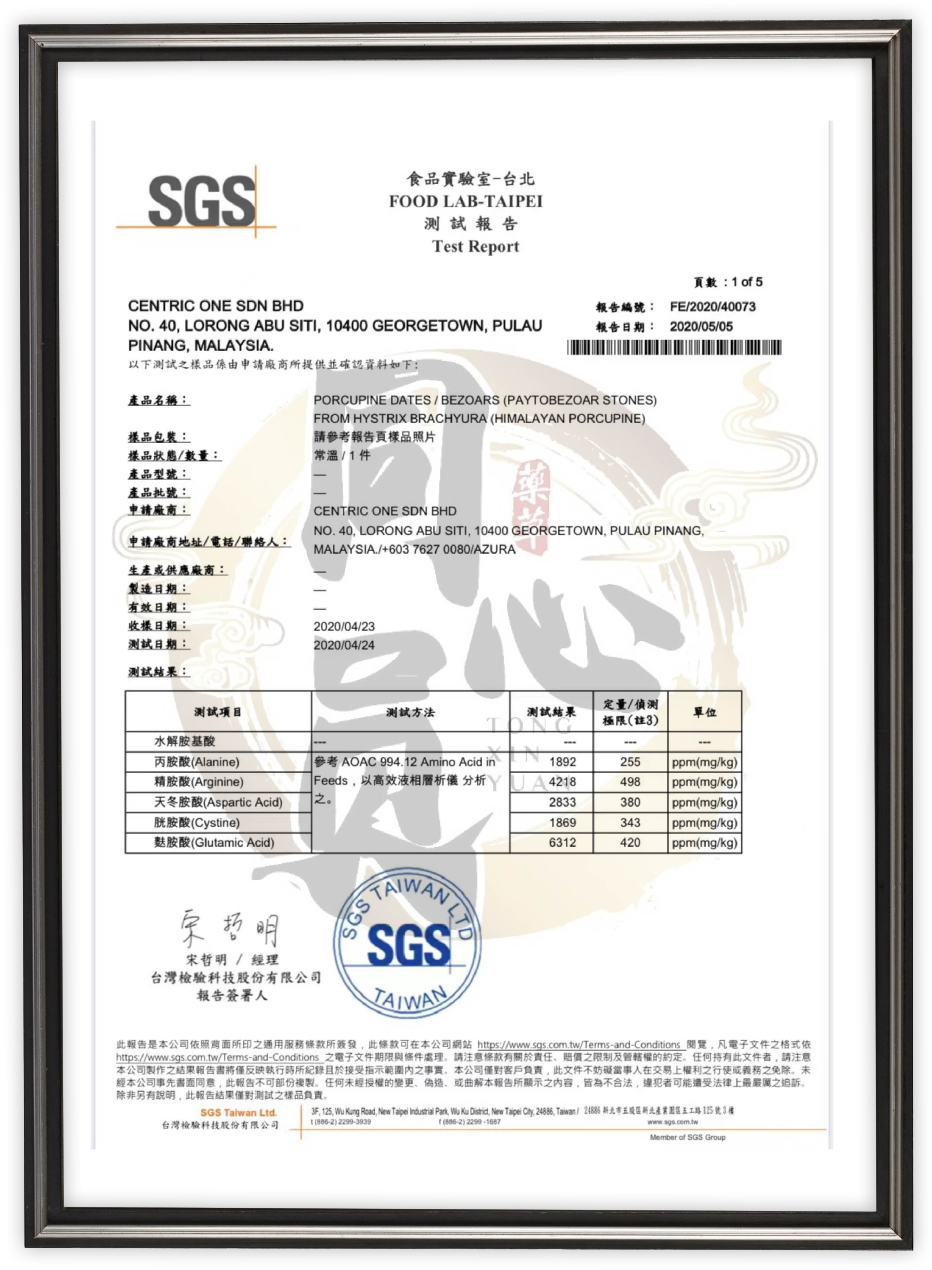
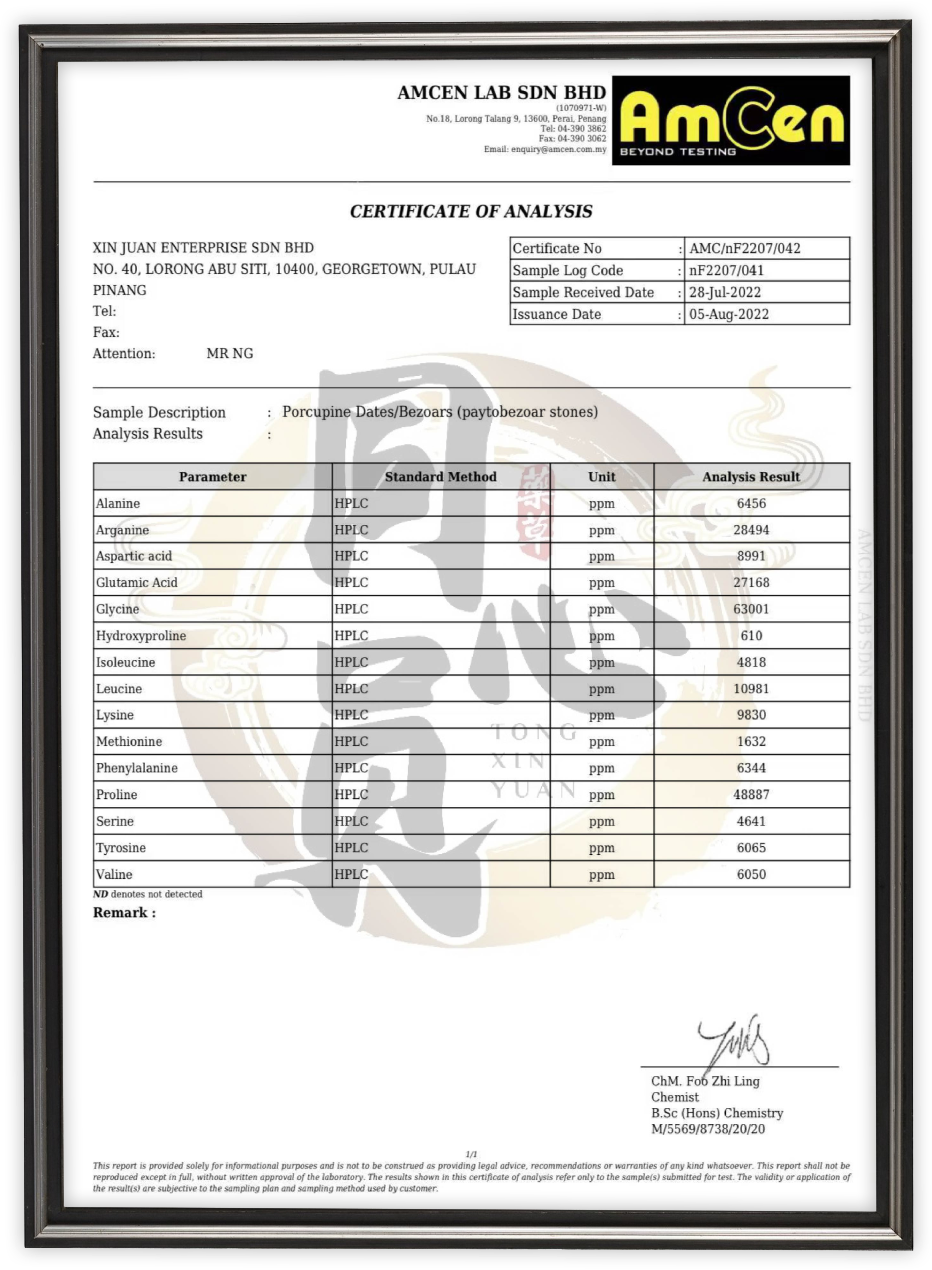
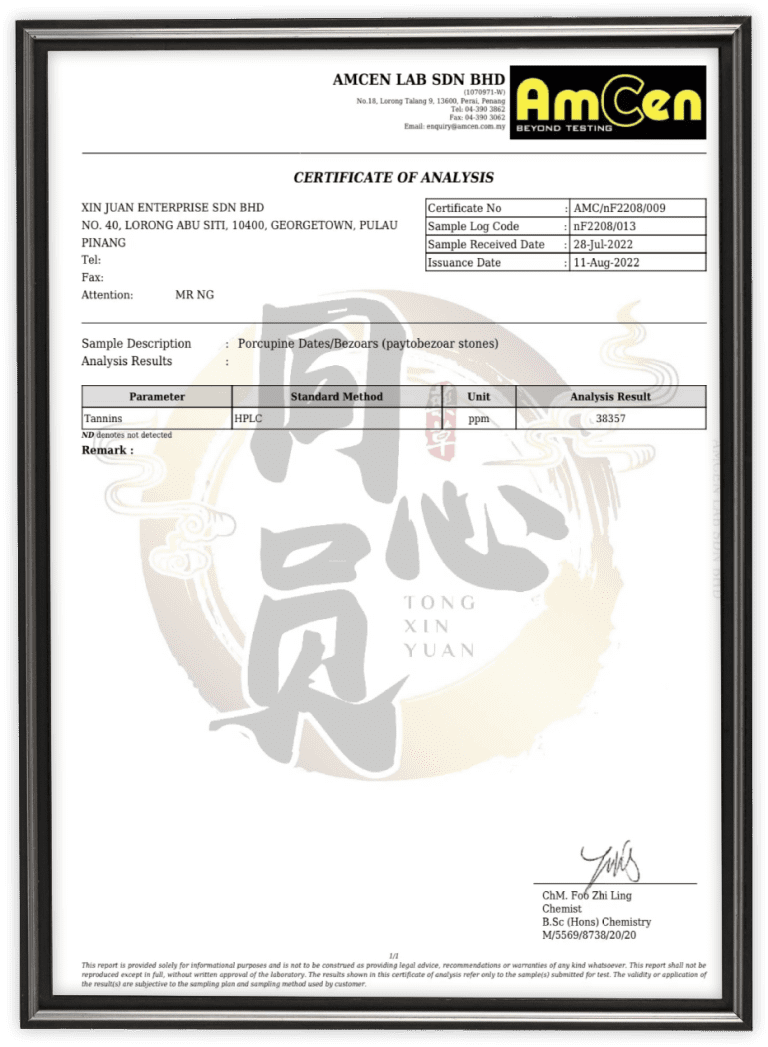
Five things: which grade is it; what is the price per gram and the total; do you have company registration; can you issue a proper invoice; and is there product documentation I can see. A legitimate seller answers all five without hesitating.